
Your Cart is Empty

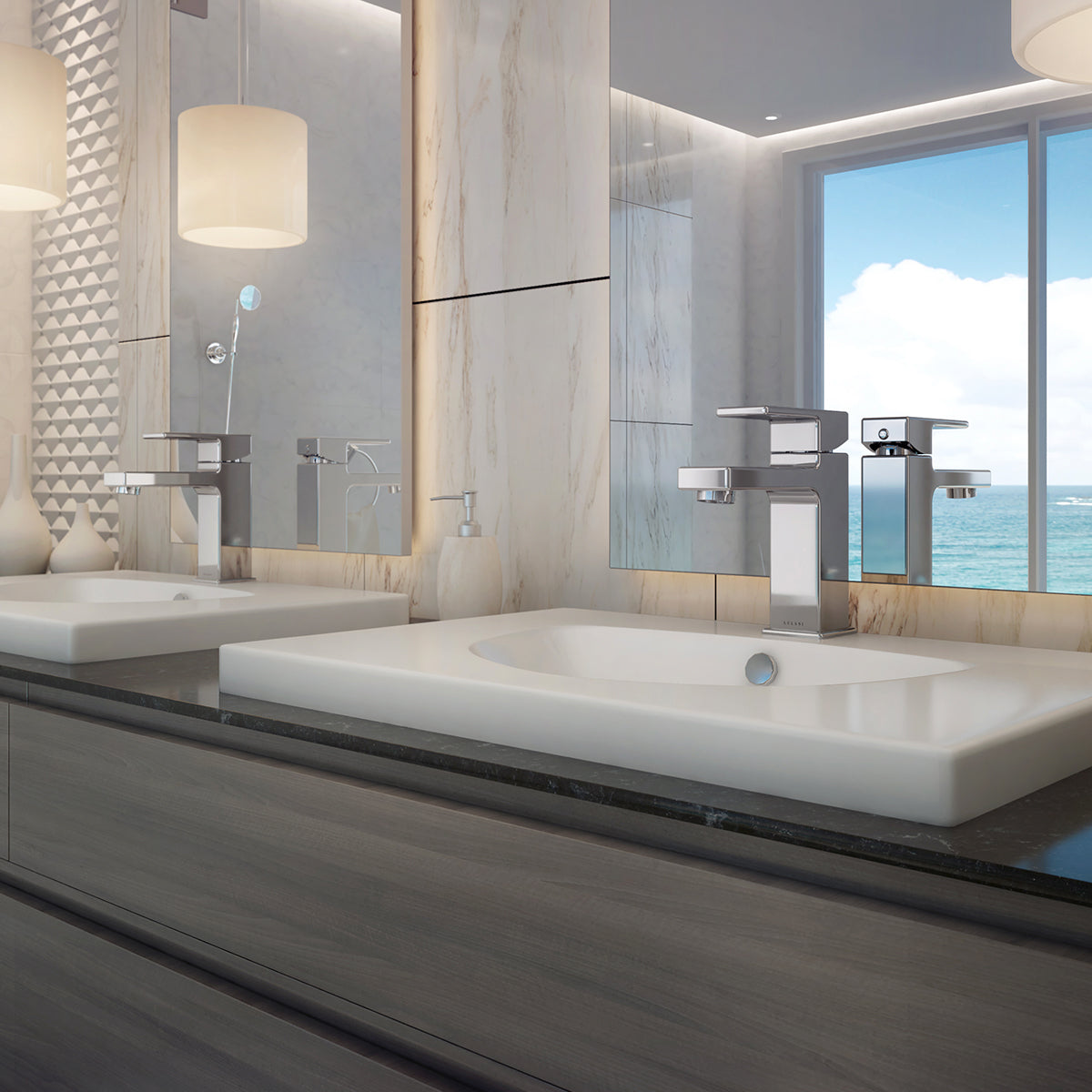
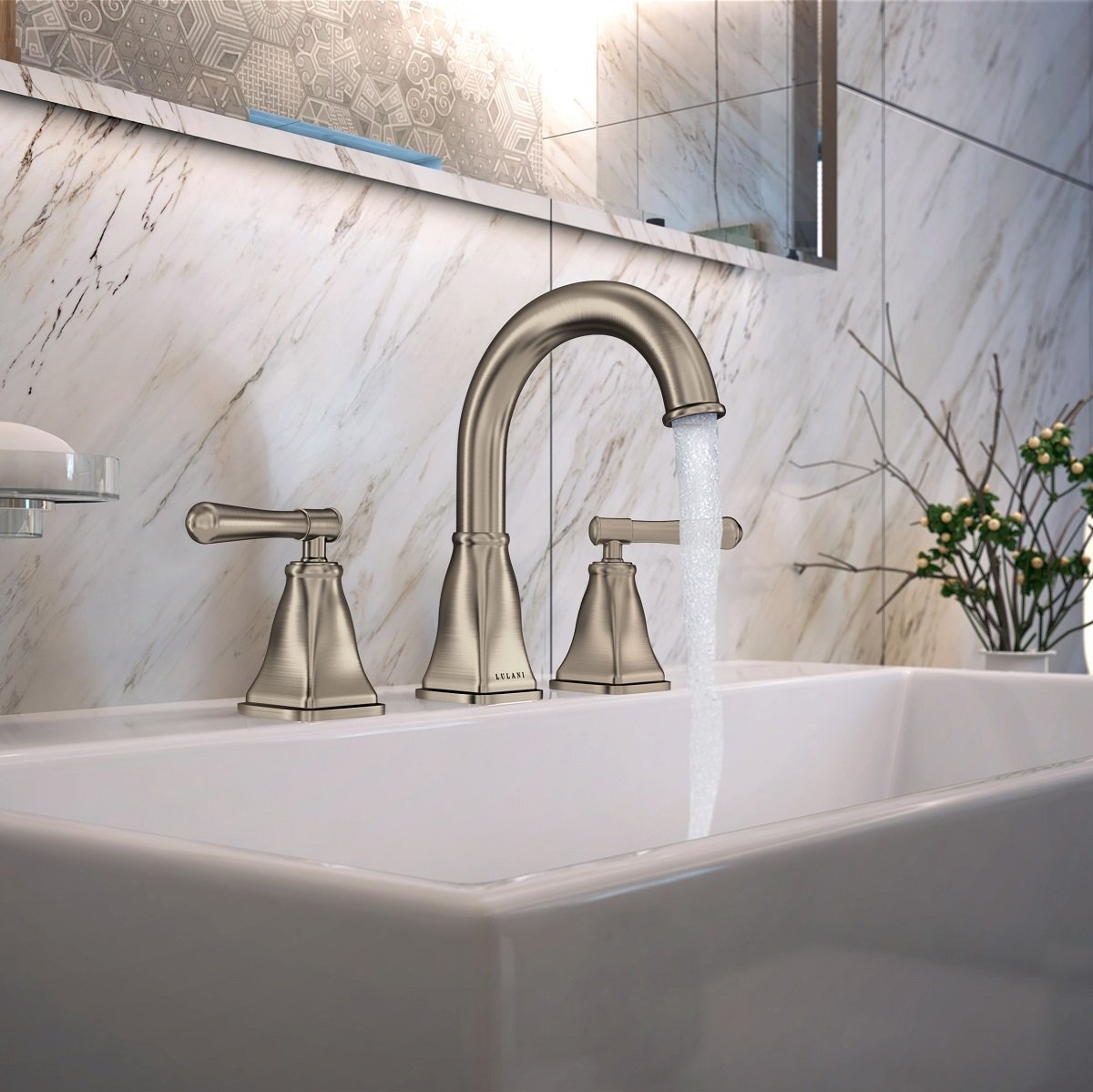
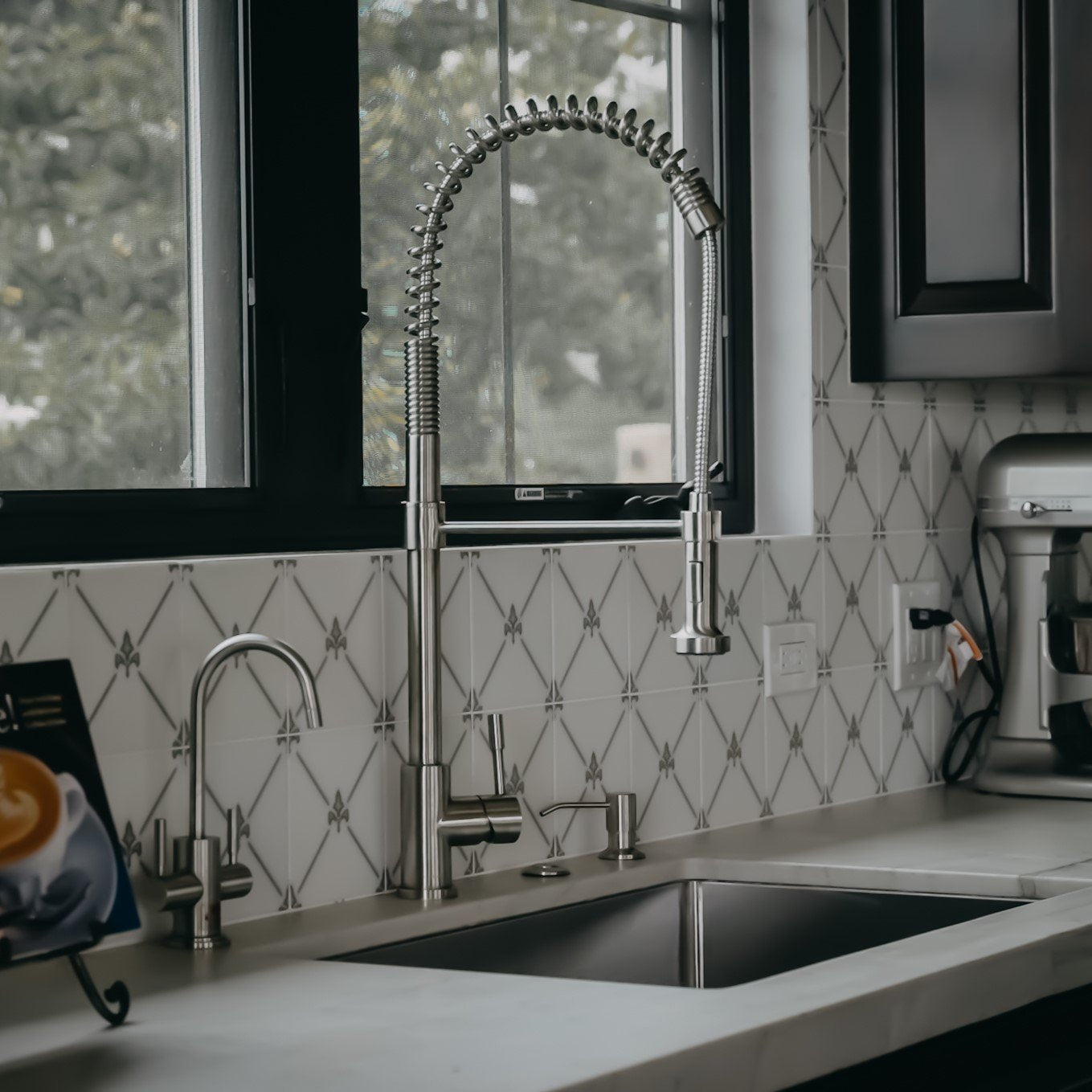
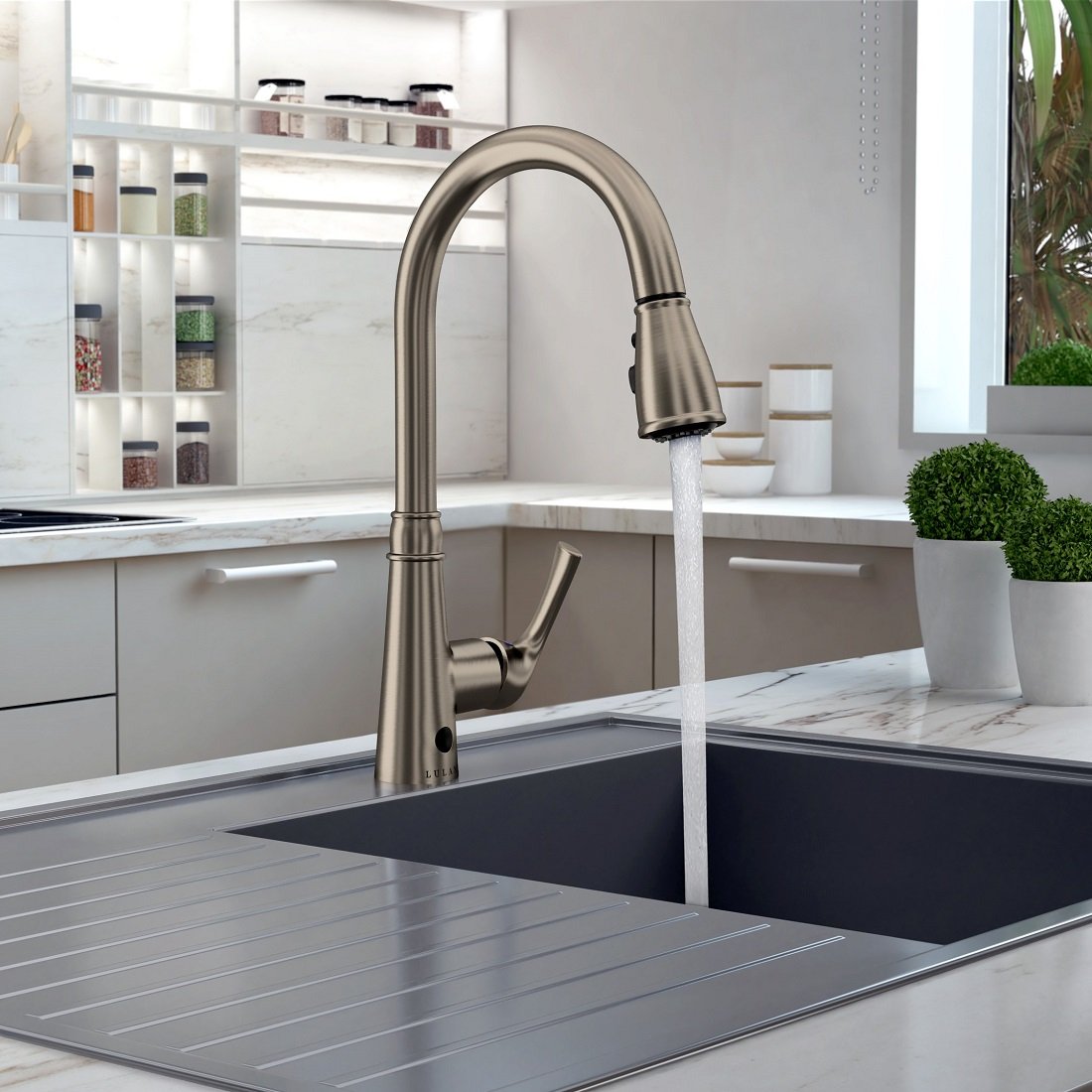




A modern minimalist kitchen is the perfect combination of style and function. It feels open, clean, and thoughtfully designed without feeling cold or overly empty. Modern minimalist design focuses on what matters most: creating a beautiful space where everything has a purpose.
Whether you are planning a complete kitchen remodel or simply looking for ways to refresh your existing space, you can bring modern minimalist style into your kitchen with a few intentional changes.
But what exactly makes a kitchen “modern minimalist”? To understand the style, it helps to look at modern interior design and minimalism separately.
Modern interior design is rooted in simplicity, functionality, and clean design. The style emphasizes clean lines, geometric forms, natural materials, open spaces, and plenty of natural light. Rather than relying on ornate decorations or elaborate architectural details, modern interiors allow the structure and materials of a space to speak for themselves.
Modern design has historical roots in movements such as the Bauhaus, the influential German school of design founded in 1919. Bauhaus designers believed that art, architecture, and design should work together with functionality. This emphasis on practical, purposeful design helped shape many of the characteristics we associate with modern interiors today.
In a modern kitchen, you will often see:
· Clean, straight lines
· Simple geometric shapes
· Neutral colors
· Natural light
· Open floor plans
The goal is not necessarily to have an empty kitchen. Instead, every element should feel intentional.
While modern design focuses heavily on function and clean aesthetics, minimalism is also a philosophy. At its core is the idea that less can be more. Instead of accumulating furniture, decorations, appliances, and accessories, minimalist design encourages homeowners to carefully consider what they actually need and use.
Minimalist interiors can draw inspiration from geometric modernist design and Japanese approaches to simplicity and balance. The result is an interior that feels calm and uncluttered.
In a minimalist kitchen, you might see:
· Clear countertops
· Hidden or integrated storage
· Minimal hardware
· Simple shapes
· Functional décor
Minimalism does not mean you cannot have personality in your kitchen. Instead, it means being more selective about what you choose to display.
Modern and minimalist interiors are incredibly similar, which makes them easy to combine. Modern design brings clean architectural lines, natural materials, contemporary finishes, and functional elements. Minimalism takes those ideas and simplifies them even further.
If you want to create this look in your own kitchen, here are some of the most important design elements to consider.
Neutral colors such as white, cream, beige, gray, taupe, and black work especially well in these spaces. They create a calm foundation and allow architectural features, materials, and fixtures to stand out without making the room feel visually busy.
A white kitchen with natural wood accents can create a warm and inviting look, while a combination of gray cabinetry and white countertops can feel more contemporary. If you prefer something darker, black cabinetry paired with lighter countertops and plenty of natural light can create a dramatic but sophisticated kitchen.
The result is a cohesive color scheme without too many competing colors. If you want to add more personality, consider using one intentional accent color rather than introducing several different shades throughout the room.
Modern design has a strong connection to natural materials. Wood, stone, glass, and metal can all add visual interest while maintaining a clean aesthetic.
Natural wood is particularly useful for preventing a minimalist kitchen from feeling too sterile. Wood cabinetry, flooring, shelving, or accents can introduce warmth and texture without adding visual clutter.
Stone countertops are another popular option. Materials such as engineered quartz or natural stone, such as marble, can provide subtle variations in color and texture while maintaining a streamlined appearance.
The key is balance. If you choose a countertop with a bold pattern, consider pairing it with simpler cabinetry. If your cabinets have a noticeable wood grain, a more understated backsplash may work better.
Your kitchen faucet is something you use every day, but it can also become a subtle focal point. A streamlined faucet with a simple silhouette can complement modern cabinetry and countertops without overwhelming the space. The right finish can also change the overall feel of your kitchen. Depending on your design, you might choose a classic chrome, brushed finish, or matte black.

For a modern minimalist kitchen, we recommend the Nassau Pull-Out Kitchen Faucet in Gun Metal. Its clean, streamlined shape adds a modern flair to the kitchen without overwhelming the space. The Gun Metal finish also pairs beautifully with a variety of cabinet colors, countertops, and hardware, making it an easy choice for a cohesive modern kitchen design.
Since cabinets take up a large portion of the room, they can determine the style of your whole kitchen. If you are looking for a modern cabinet style, Shaker and slab cabinets are two options worth considering.
Shaker cabinet doors feature a flat center panel surrounded by a flat frame. The frame can vary in width, allowing you to customize the look based on your personal style.
Slab cabinet doors feature a completely flat surface without a frame or decorative detailing, creating an especially streamlined appearance.
When choosing, hardware consider simple shapes and finishes that coordinate with your faucet and lighting. You can also choose cabinet hardware that blends into the cabinetry rather than becoming a major visual feature.
Natural light should be prioritized whenever possible. Large windows, glass doors, and open spaces can help a kitchen feel brighter and more spacious.
When choosing artificial lighting, look for fixtures with simple shapes and clean lines. A contemporary pendant light over a kitchen island can add personality without disrupting the minimalist aesthetic. Instead of choosing several highly decorative fixtures, select a few pieces that complement one another. Lighting can also help highlight materials and architectural details. Under-cabinet lighting, for example, can illuminate a beautiful countertop while making food preparation easier.
One of the most important parts of creating a minimalist kitchen is keeping clutter under control. Modern and minimalist kitchens have a naturally clean appearance, so crowded countertops can quickly take away from the look you are trying to achieve.
Keep your most frequently used items within easy reach, while storing larger or less frequently used appliances when they are not needed. Air fryers, slow cookers, blenders, and other countertop appliances can take up significant visual space, so consider storing them inside a cabinet or pantry when possible. Hidden storage is particularly useful for minimalist kitchens. Deep drawers, pull-out cabinets, and pantry storage can help keep everyday necessities organized and out of sight.
If you do choose to leave something on the counter, make it intentional. A colorful stand mixer can function as both a useful appliance and a decorative accent. A beautiful wooden cutting board, a ceramic utensil holder, or a simple fruit bowl can also add personality without creating visual clutter.
Creating a modern minimalist kitchen does not require a complete renovation. Start with one practical change: clear a countertop, simplify your color palette, improve your lighting, or choose a streamlined faucet. Build on those choices with materials and details you enjoy using every day. The result can feel open and organized while still feeling like your home.
Comments will be approved before showing up.


