
Your Cart is Empty


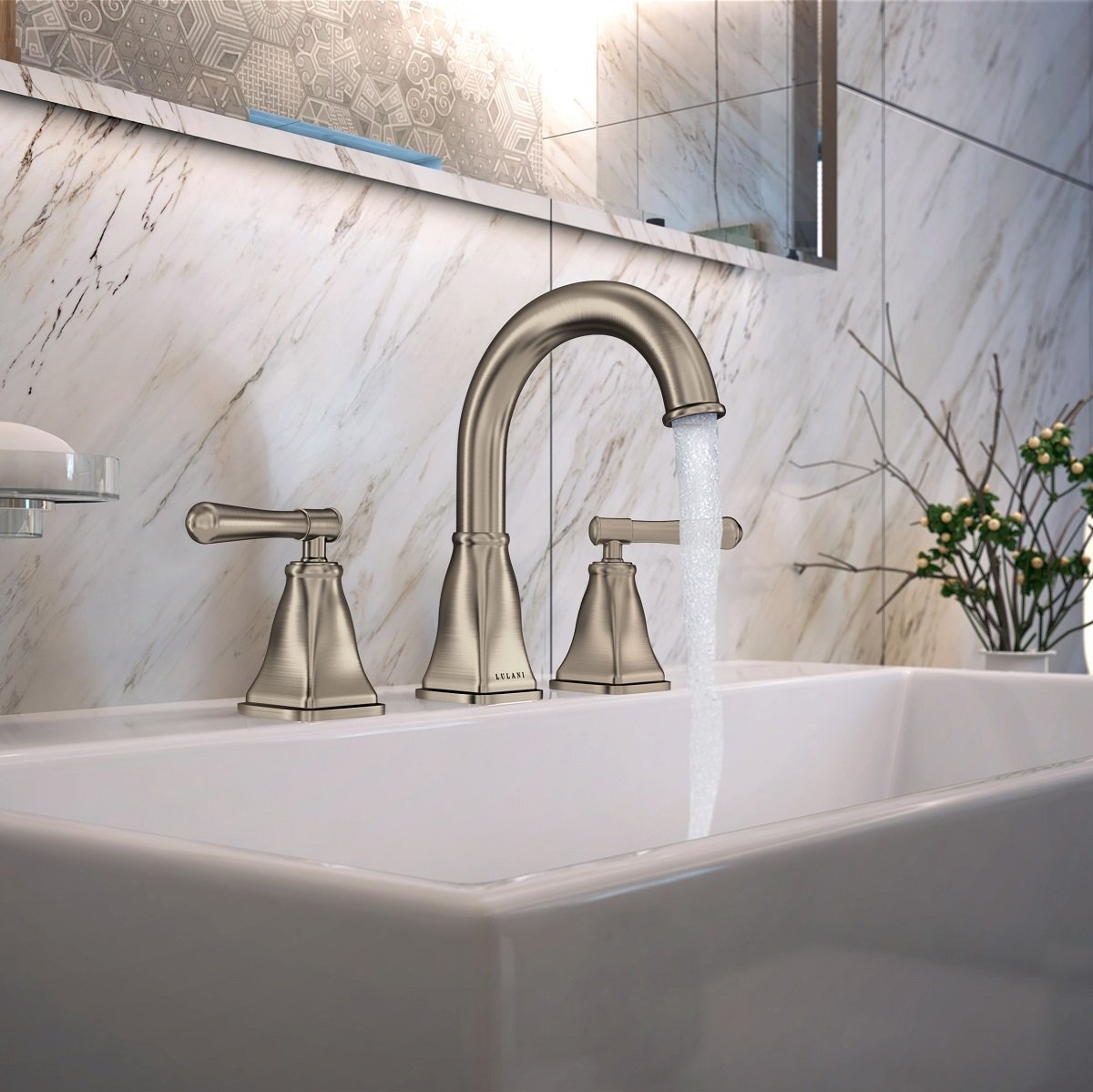
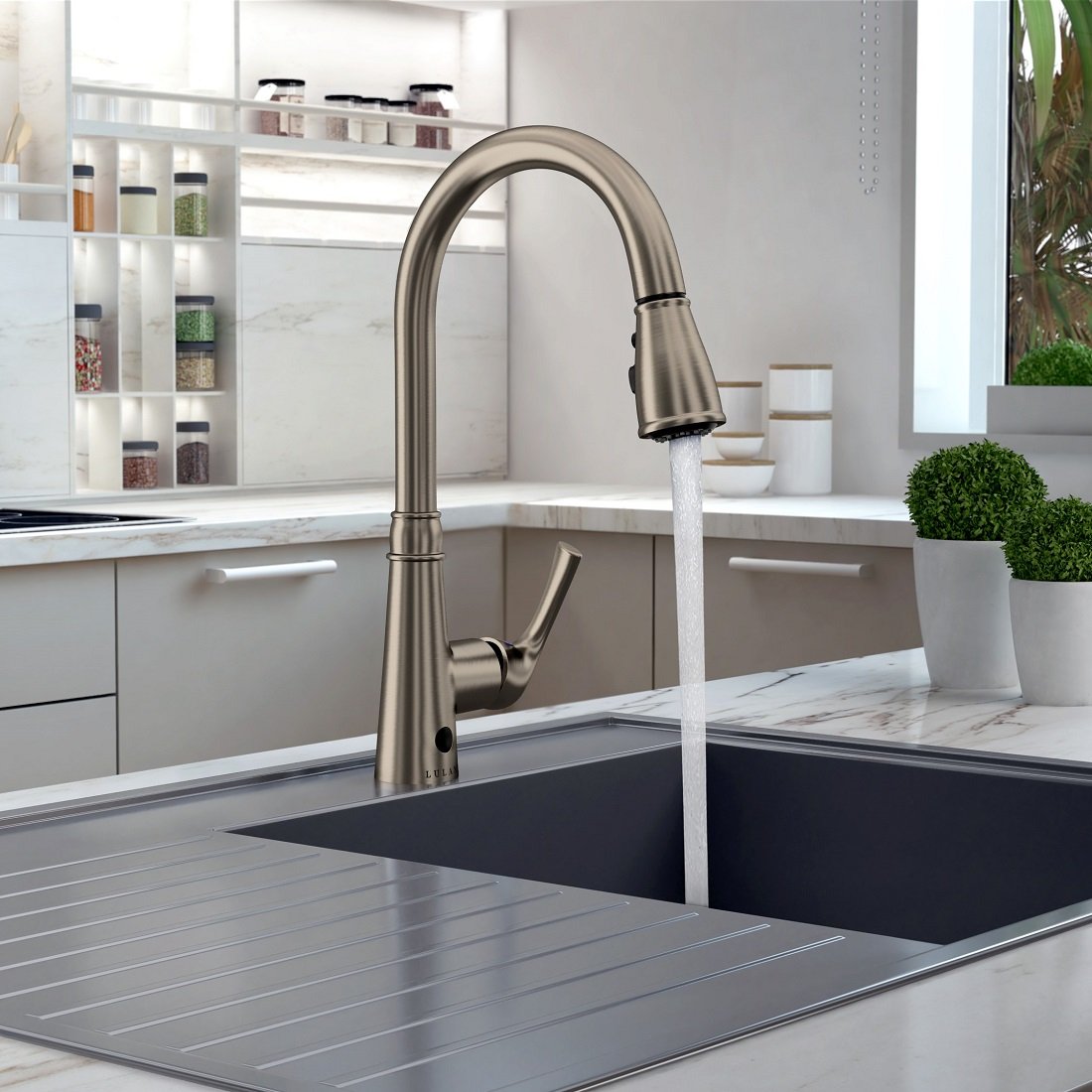



If you’ve ever noticed your faucet producing a smooth, controlled stream instead of a harsh splash, you’ve got a small but essential component to thank: the aerator.
It may be one of the most overlooked parts of a faucet, but it plays a major role in water efficiency, performance, and everyday comfort.
It’s easy to overlook something so small, but an aerator directly affects how your faucet feels every time you use it. From washing your hands to filling a glass, the difference between a harsh, uneven stream and a soft, controlled flow often comes down to this single component.
A well-functioning aerator makes everyday tasks cleaner, quieter, and more efficient.
What Does an Aerator Do?
An aerator is a small attachment at the tip of your faucet that mixes air with water. This simple function delivers several key benefits:
· Creates a softer, more controlled, stream of water
· Reduces splashing, keeping your sink area cleaner
· Helps save water without sacrificing performance
Unlike major plumbing upgrades, replacing an aerator takes just a few minutes and requires minimal tools. It’s one of the fastest ways to improve water flow, fix splashing issues, or reduce water usage—without replacing the entire faucet.
If your faucet isn’t performing the way it used to, this is the first place to check. Before assuming there's a plumbing problem, check the aerator. A clogged aerator is one of the most common causes of reduced faucet flow.
Aerator Types and Thread Styles
Not all aerators are the same. Knowing what type you have will make removal and replacement much easier.
Insert Aerators
These do not have threads and require a separate housing.
· The insert itself can usually be replaced without replacing the entire housing.
· Sit inside a threaded housing
Housing Types
§ Male Thread Housing – Threads are on the outside
§ Female Thread Housing – Threads are on the inside
Cache Aerators
These aerators are recessed into the faucet and require a tool to remove.
· Designed for a clean, modern look
· Most require a dedicated aerator key, although some models can be removed with a coin or similar flat tool.
Aerator Sizes
Before purchasing a new aerator, take a moment to confirm the size and thread type. While many faucets use standard sizing, variations do exist. A quick measurement or comparison can save time and ensure a proper fit the first time. A simple way to estimate aerator size is by comparing it to a coin.
· Regular/ Standard size
o This aerator is roughly the size of a quarter.
· Junior Size
o This aerator is roughly the size of a nickel.
· Tiny Junior
o This aerator is roughly the size of a penny.
· Tom Thumb
o This size is roughly the size of a dime.
When placing a coin under the aerator, the edges of the coin should still be slightly visible for an accurate comparison. If you’re using an insert aerator, measure both the insert and the housing together. The insert itself will be smaller.
One more thing to check: In addition to matching the size and thread type, make sure you choose an aerator with the correct flow rate (such as 1.2 GPM or 1.5 GPM) to maintain your faucet's intended performance and comply with local plumbing requirements.
Flow Styles: What’s the Difference?
Different aerators produce different water patterns depending on your needs.
Aerated Stream
Introduces air into the water stream to produce a larger soft stream and it helps reduce splashing.
Laminar Stream
Delivers a clear and non-splashing stream without adding air to the water stream.
Spray Pattern
Produces a miniature shower pattern to provide full coverage of the hands during washing in situations where pressure or flow rate is low.
Hard Water and Build-Up: What to Watch For
If you live in an area with hard water, mineral buildup is one of the most common causes of aerator issues. Over time, calcium and lime deposits can clog the small openings, restrict flow, and cause uneven spray patterns.
If you notice reduced pressure or water spraying at odd angles, buildup is likely the cause.
Aerators don’t last forever, but regular maintenance can extend their lifespan. Aerators have a 1–5-year lifespan, which completely depends on usage and if you have hard water. Every 6-12 months remove and clean your aerator. Soaking in vinegar helps remove any light buildup.
How to Maintain an Aerator
What You May Need:
· Aerator key
· Coin
· Dish towel
· Wrench
· Soft Brush
Step 1: Protect Your Sink
Close or cover the drain to prevent losing small parts.
Step 2: Remove the Aerator
Hidden Aerator: These aerators need an aerator key to remove. Some hidden aerators have a slot where you can use a coin to remove it. Keep the rubber washer (gasket).
Can’t find the washer? Check to see if the rubber washer is still stuck to the spout.
Insert Aerator: These aerators have a housing that holds it in place. Usually, they can be removed by hand twisting it counterclockwise.
Is the housing not budging? Wrap the housing with something soft like a dish towel to prevent the surface from getting marred and use a wrench to leverage the housing off.
Step 3: Clean
Rinse out the debris on the aerator and soak in vinegar for several minutes (or longer for heavy mineral buildup). Scrub with an old toothbrush if there are stubborn bits still stuck to it.
Step 4: Reinstall
Hidden Aerator: Using the same aerator key or coin, thread the aerator into place by hand first to avoid cross-threading. Tighten it until it's snug, but avoid overtightening, as this can damage the threads or make future removal more difficult.
Insert: Reinstall the aerator in the same orientation it was removed. Replace the rubber washer, then thread the housing back into the faucet spout by hand before tightening it until snug. Avoid overtightening, as this can damage the threads or make future maintenance more difficult.
When Cleaning Isn’t Enough
Sometimes cleaning won’t restore full performance. If you notice corrosion, worn screens, or if cleaning the aerator doesn’t work, replacement is the better option. It's also a good idea to inspect the rubber washer (gasket) while you're replacing the aerator. If the washer is cracked, brittle, or missing, replace it as well to help ensure a proper seal and prevent leaks around the aerator.
Because aerators are inexpensive and easy to store, keeping a spare can save time later. Instead of troubleshooting buildup or wear, a quick swap can instantly restore performance.
Final Thoughts
Aerators may be small, but they make a big impact. They improve water flow, reduce splashing, and help conserve water, all while enhancing the overall feel of your faucet.
With simple maintenance and occasional replacement, this small component can keep your faucet performing like new for years to come.
Comments will be approved before showing up.


