
Your Cart is Empty



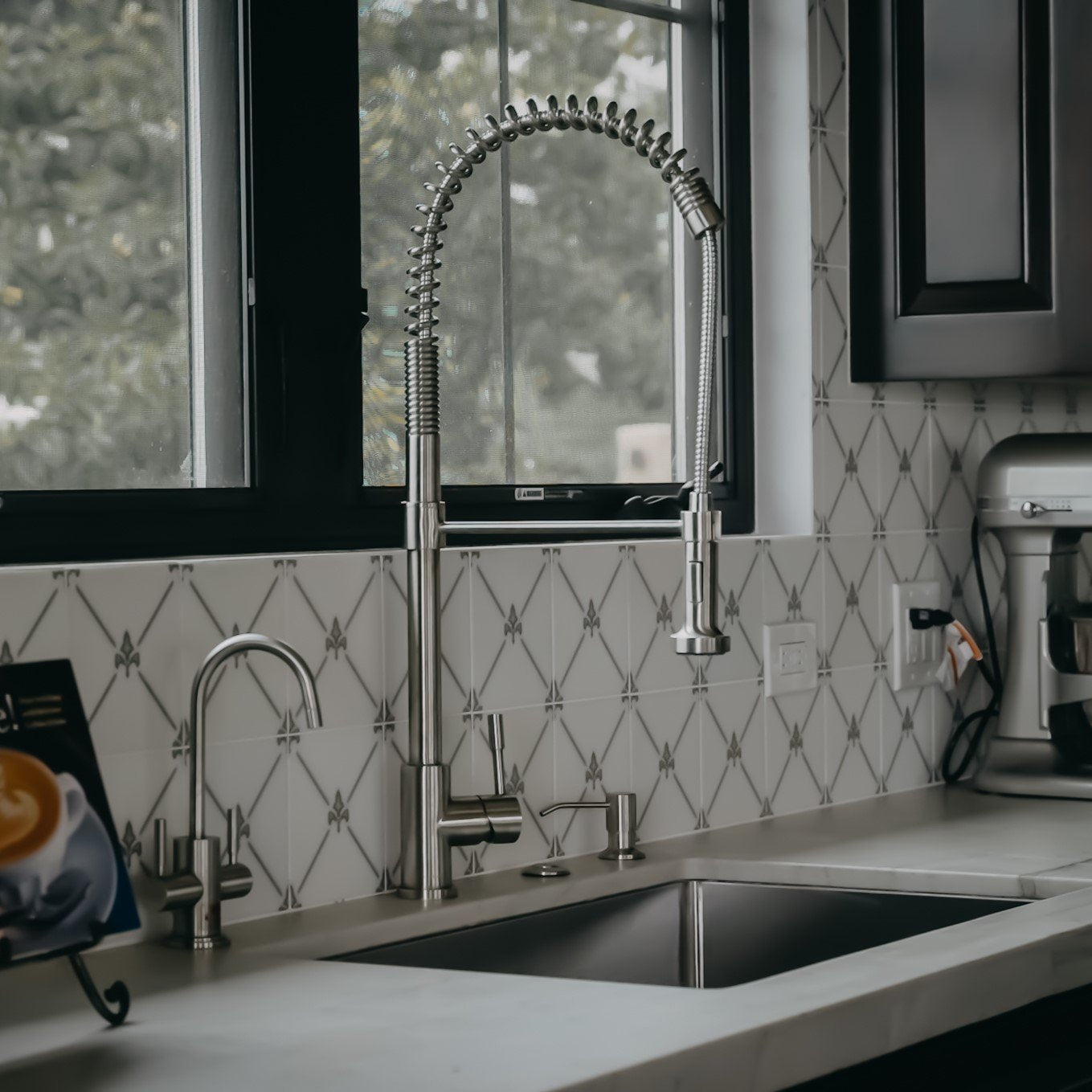




A sparkling faucet can make an entire kitchen or bathroom feel cleaner. On the flip side, water spots, mineral buildup, and grime around the base or aerator can make even a brand-new sink look tired. The good news? Keeping your faucet clean and buildup-free doesn’t require harsh chemicals, endless scrubbing, or a professional cleaner on speed dial.
With the right tools, the right cleaning routine, and a little consistency, you can protect your faucet’s finish, extend its lifespan, and keep it looking showroom-new for years. Below, we’re breaking down the best-kept secrets for faucet cleaning, why natural cleaners are the move, and exactly how to tackle everything from everyday water spots to stubborn calcium and lime buildup.
Why Faucet Buildup Happens (and Why You Should Care)
Most faucet buildup comes from minerals in your water supply, especially calcium and lime. If you live in an area with hard water, these minerals dry on the surface and slowly bond to your faucet’s finish. Soap residue, oils from hands, toothpaste, and cleaning product residue also add to the problem.
Ignoring buildup isn’t just a cosmetic issue. Over time, it can:
Why We Recommend Natural Cleaners for Faucets
Most faucets do not need aggressive chemicals. In fact, harsh cleaners often do more harm than good.
Natural and mild cleaners are recommended because they:
Many commercial cleaners contain abrasives or strong acids that strip protective coatings over time. That might look fine at first, but long term, it’s how finishes get ruined. Natural cleaners clean effectively without compromising durability.
You Need:
Regular Maintenance
The easiest way to keep your faucet clean is to not let buildup happen in the first place. A quick weekly wipe-down goes a long way.
1. Wet a microfiber cloth with warm water and add a few drops of mild dish soap. Wring it out so it’s damp, not dripping.
2. Wipe down the entire faucet, including:
3. Taking a dry microfiber cloth, wipe the entire faucet to make sure there will be no water spots.
How to Remove Light Buildup and Water Spots
If there is a little bit of build up or stuck on water spots, try a white vinegar and water solution.
1. Mix a 50/50 solution of warm water and household white vinegar in a small bowl or spray bottle.
2. Dampen a microfiber cloth with the solution and gently buff areas with buildup, especially:
o Around the aerator
o Near the base of the faucet
3. Rinse thoroughly with clean water.
4. Dry immediately with a dry microfiber cloth to avoid new water spots.
Vinegar breaks down mineral deposits without damaging most faucet finishes when used correctly and sparingly.
How to Handle Stubborn Faucet Buildup
When just vinegar just isn’t cutting it, use a little mild dish soap. This works well for soap scum, oils and grime.
Extreme Buildup: When to Use CLR (and How to Do It Safely)
CLR should always be a last resort, not a routine cleaner. Use it only if other methods fail.
FromCLR’s website they suggest:
1. Create a 50/50 solution of CLR and water in a glass bowl.
2. Remove the faucet parts with heavy buildup (like the aerator).
3. Submerge the parts for no more than 2 minutes.
4. Remove immediately and rinse thoroughly with water.
Please make sure to wear gloves and do not leave anything in the solution for more than a few minutes. Improper use can damage finishes fast, so follow instructions exactly.
Special Cleaning Instructions
Matte Black Finishes
Matte black finishes are more delicate than any other finish. Matte black is a painted finish, not a plated one, which means improper cleaning can permanently damage it. Being careful with what chemicals you use to clean is the best defense to keeping a pristine finish.
When Cleaning Matte Black Finishes Avoid:
Abrasive Tools
o Scrub pads
o Abrasive sponges
o Magic erasers
Abrasive Powders
o Powdered Cleaners (like Bar Keeper’s Friend)
o Baking soda
Harsh Chemicals
o Abrasive cleaning pastes or liquids
o Bleach or ammonia
o Calcium, lime, and rust removers
Why Matte Black Requires Extra Care
When abrasive tools or harsh chemicals scratch the surface, the topcoat breaks down. Once that happens, water and chemicals can seep underneath the paint, leading to flaking, discoloration, and peeling. Once it’s damaged, there’s no fixing it.
How Often Should You Clean Your Faucet?
Protecting Your Faucet Long Term
Good cleaning habits don’t just keep your faucet looking good — they protect your investment.
All our faucets are backed with a Limited Lifetime Warranty that covers the finish (with proper care) and the functions of your faucets if the faucet has not been reinstalled and you are the first owner. You won’t have to worry about your faucet wearing out over time.
Still Having Issues? We’ve Got You.
If you’ve followed our care instructions and are still experiencing issues with your faucet finish or function:
o Visit our FAQ section
o Call us at (760) 536-5189
o Email info@lulani.com
Final Takeaway
Keeping your faucet clean isn’t about scrubbing harder. It’s about cleaning smarter. Stick to gentle tools, natural cleaners, and regular maintenance, and you’ll avoid buildup, protect your finish, and keep your faucet looking new for years.
Comments will be approved before showing up.


